Sciatica pain relief: what helps and what doesn't
Based on NHS guidance (last reviewed 3 December 2024) and NICE guideline NG59.
Reviewed by Harvir Ubhi, HCPC-registered physiotherapist. Last reviewed 25 September 2026.
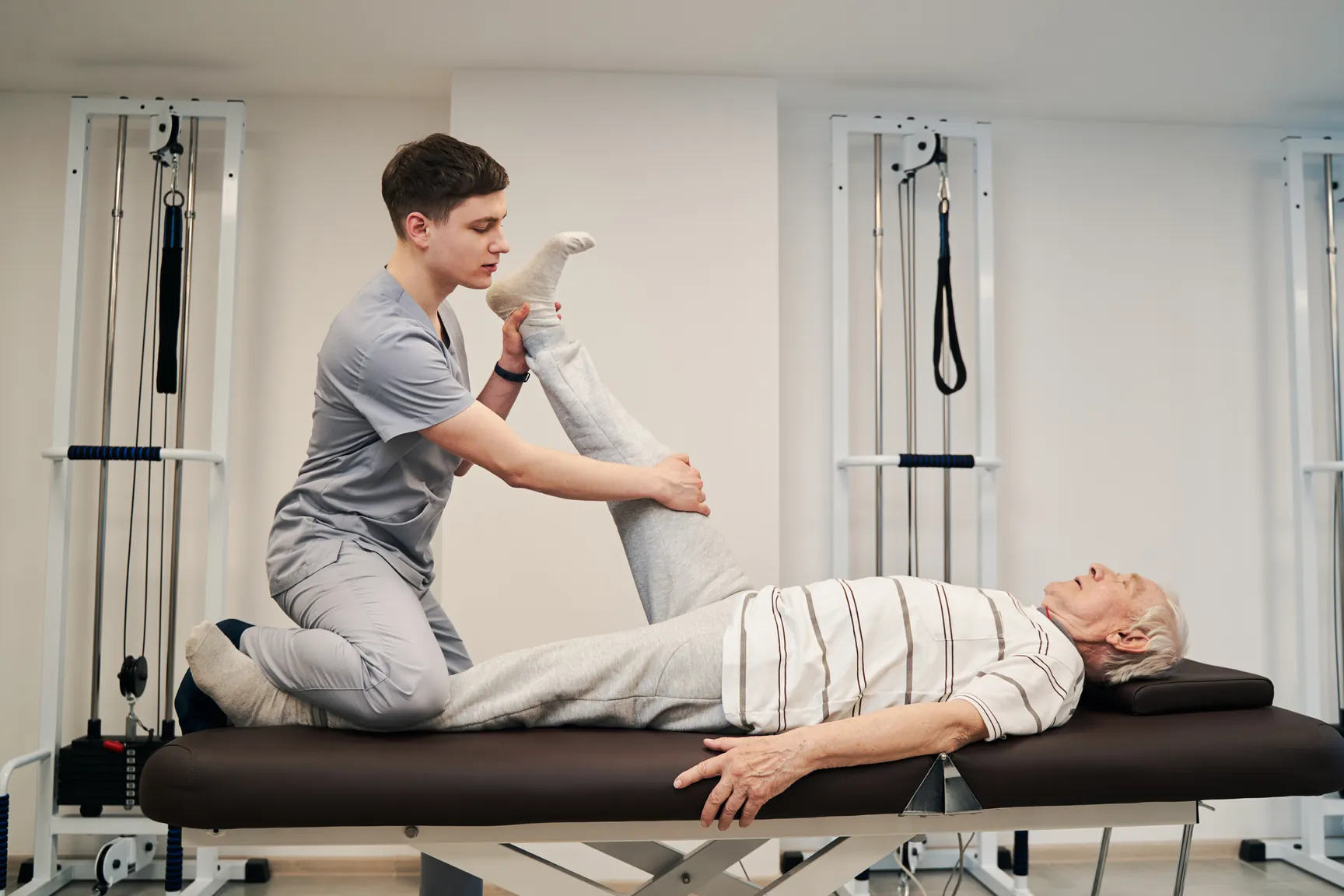
The short version: sciatica usually gets better in a few weeks to a few months. What helps most is keeping active, starting gentle exercise early and using heat. Painkillers help less than people expect: the NHS says paracetamol is unlikely to help, and it's not clear how much ibuprofen does. If it hasn't eased after a few weeks, physiotherapy is the next step the NHS lists.
What to do now
Keep up your normal activities
As much as you can, even if you do less than usual for a while.
Start gentle exercise early
Walking and gentle movement, as soon as you're able.
Use a heat pack
On the painful area, wrapped in a towel.
Don't sit or lie down for long
Get up and move regularly, including at a desk.
For specific movements, see our 5 sciatica exercises from NHS guidance.
Painkillers for sciatica: what the evidence says
Several common painkillers do less for sciatica than people expect, and some aren't recommended at all.
| Medicine | What the guidance says |
|---|---|
| Paracetamol | Unlikely to help sciatica (NHS) |
| Ibuprofen and other anti-inflammatories | Not clear how much they help (NHS) |
| Gabapentin or pregabalin | Not recommended for sciatica: no overall evidence of benefit, and a risk of harm (NICE) |
| Oral steroids | Not recommended for sciatica (NICE) |
| Benzodiazepines, such as diazepam | Not recommended for sciatica (NICE) |
| Opioids | Not recommended for long-term sciatica (NICE) |
If you already take any of these, don't stop suddenly. Talk to your GP or pharmacist first.
Things that don't help
- long periods of bed rest
- back belts or corsets
- traction
- TENS machines and ultrasound
The NHS advises against long bed rest, and NICE recommends against the other three for low back pain with or without sciatica. If a treatment plan is built around them, ask why.
If home treatment isn't working
The NHS says see a GP if your pain hasn't improved after a few weeks of home treatment, is getting worse, or is stopping you doing your normal activities. The next steps it lists, roughly in order:
- 1
Physiotherapy
Exercise advice plus hands-on techniques such as massage. The first treatment the NHS lists after self-help.
- 2
Stronger pain relief
Prescribed by a doctor if needed.
- 3
Injections or nerve procedures
Such as an epidural painkilling injection or radiofrequency denervation, for pain that won't settle.
- 4
Decompression surgery
For a small number of people when nothing else has worked.
Ready to see a sciatica physio?
You don't need a GP referral to go private. Compare six London clinics on price, insurers and opening hours, or tell us your symptoms and a HCPC-registered physiotherapist on our team will match you with the right one.
Matching is free, and most people hear back within 24 hours.
Sciatica pain relief questions
What's the quickest way to relieve sciatica?
There's no instant fix, but the NHS advice is to keep doing your normal activities as much as you can, start gentle exercise early, use heat packs on the painful area, and avoid sitting or lying down for long periods. Most people's sciatica gets better within a few weeks to a few months.
Is heat or ice better for sciatica?
The NHS suggests heat packs for sciatica. Wrap the pack in a towel so it doesn't burn your skin.
Does ibuprofen help sciatica?
Possibly, but not by much. The NHS says it's not clear how much anti-inflammatories like ibuprofen help sciatica, and paracetamol is unlikely to help. Ask a pharmacist what's suitable for you.
Should I rest when I have sciatica?
Not for long. The NHS says don't sit or lie down for long periods. Gentle movement helps more than rest, even if you have to do less than usual for a while.
How long does sciatica last?
The NHS says it usually gets better in a few weeks to a few months, though it can sometimes last longer. See a GP if it hasn't improved after a few weeks of home treatment, is getting worse, or is stopping you doing normal things.
Related: sciatica symptoms and causes · herniated disc · NHS physio waiting times in London
Call 999 or go to A&E if you have sciatica and:
- sciatica in both legs
- numbness or weakness in both legs that's severe or getting worse
- numbness around or under your genitals, or around your bottom
- you can't pee, can't start peeing, or can't control when you pee
- you can't tell when you need a poo, or can't control it
These can be signs of cauda equina syndrome, which needs treatment within hours.
Sources
- NHS, Sciatica (last reviewed 3 December 2024). nhs.uk/conditions/sciatica
- NICE, Low back pain and sciatica in over 16s (NG59). nice.org.uk/guidance/ng59
This page is general information, not medical advice. If you're worried about your symptoms, speak to a GP, call NHS 111, or in an emergency call 999.