Cauda equina syndrome: the symptoms that mean go to A&E now
Based on NHS guidance and NHS hospital patient information.
Reviewed by Harvir Ubhi, HCPC-registered physiotherapist. Last reviewed 30 September 2026.
The short version: cauda equina syndrome is rare, but it's an emergency. If you have back pain and any of these, go to A&E or call 999 now: pain, tingling, weakness or numbness in both legs; a loss of feeling around your genitals or anus; changes in your bladder or bowels, such as difficulty peeing, or peeing or pooing yourself; or changes in how your penis or vagina feels during sex. Don't wait to see if it settles.
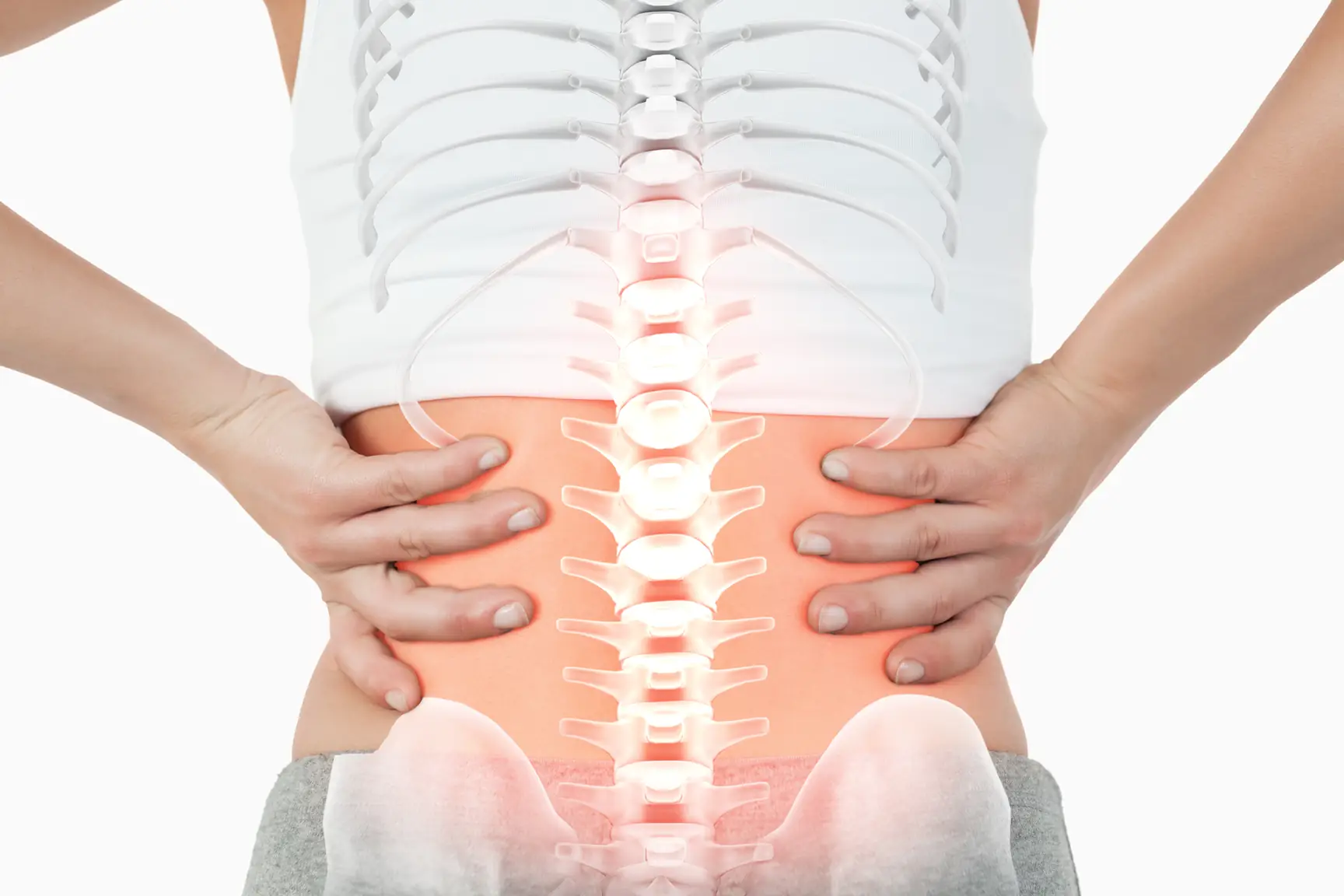
What is cauda equina syndrome?
Your spinal cord ends above your waist. Below that, it continues as a bundle of nerves called the cauda equina. These nerves control the muscles of your bladder, your bowel and your legs, and carry feeling from the area between your legs.
Cauda equina syndrome is when something presses hard on those nerves. The most common causes are a large slipped disc or severe narrowing of the spinal canal (spinal stenosis). It can happen to adults of any age.
Why it can't wait
Without quick treatment, the pressure can damage the nerves for good. According to the Chartered Society of Physiotherapy, prompt diagnosis and emergency treatment are vital to avoid disability, including permanent loss of bladder and bowel control, paralysis of the legs and long-term pain. That's why the NHS advice is to go straight to A&E.
What happens at A&E
- 1
Tell them your symptoms straight away
Say you have back pain or sciatica and describe the warning signs, especially any numbness between your legs or changes to your bladder or bowels.
- 2
An examination
A doctor checks the feeling and strength in your legs and the area between your legs.
- 3
An MRI scan
If the doctors suspect cauda equina syndrome, they'll arrange an MRI scan. Under a national NHS pathway published in February 2023, suspected cases go straight to hospital emergency departments for this.
- 4
Emergency treatment
If the scan shows the nerves are being squeezed, you'll need emergency treatment. The hospital team will explain what that involves for you.
Sciatica without these signs
Most sciatica is not cauda equina syndrome. The NHS says sciatica usually gets better in a few weeks to a few months. Keeping active and doing gentle exercises helps, and a physiotherapist can work out what's causing yours and check for warning signs as part of the assessment.
Read more in our guides to sciatica symptoms, how long sciatica lasts and NHS sciatica exercises.
No warning signs, but still in pain?
You don't need a GP referral to see a private physio, and a first appointment in London usually costs £70–£130. Tell us about your sciatica or back pain and a HCPC-registered physiotherapist on our team will match you with someone who treats it every week.
It's free, and most people hear back within 24 hours. If you have any of the warning signs on this page, go to A&E instead.
Cauda equina syndrome questions
Should I call 999 or go to A&E?
Either. The NHS advice for back pain with these symptoms is to call 999 or go to A&E. Don't wait for a GP or physio appointment, and don't wait to see whether it settles overnight.
Can sciatica turn into cauda equina syndrome?
Cauda equina syndrome is most often caused by a large slipped disc or severe narrowing of the spine, the same problems that can cause sciatica. Most people with sciatica never get it. That's why the warning signs appear on every sciatica page: so you know them, not because they're likely.
How is it diagnosed?
Usually with an MRI scan in hospital. Under the national NHS pathway for suspected cauda equina syndrome, published in February 2023, suspected cases go straight to a hospital emergency department for the scan.
How is it treated?
If the scan confirms pressure on the nerves, you'll need emergency treatment in hospital. The sooner it happens, the better the chance of avoiding lasting damage.
Can a physio treat cauda equina syndrome?
Not in an emergency. Cauda equina syndrome needs hospital treatment first. Physiotherapy can be part of recovery afterwards, and physios are trained to spot the warning signs, which is one reason it's worth seeing one for persistent back pain or sciatica.
Call 999 or go to A&E now if you have back pain and:
- pain, tingling, weakness or numbness in both legs
- a loss of feeling around your genitals or anus
- changes in your bladder or bowels, such as difficulty peeing, or peeing or pooing yourself
- changes in how your penis or vagina feels during sex, not being able to get or keep an erection, or not being able to orgasm
Don't wait to see if it settles. Don't wait for a GP or physio appointment.
Sources
- NHS, Back pain (last reviewed 5 March 2026). nhs.uk/conditions/back-pain
- NHS, Sciatica (last reviewed 3 December 2024). nhs.uk/conditions/sciatica
- Worcestershire Acute Hospitals NHS Trust, Cauda Equina Syndrome, patient information (version 3.1). worcsacute.nhs.uk
- Chartered Society of Physiotherapy, The National Suspected Cauda Equina Syndrome Pathway: implications for physiotherapists (Physiotherapy journal, March 2024). csp.org.uk
This page is general information, not medical advice. If you think you have cauda equina syndrome, call 999 or go to A&E now.